

While the marketing industry may use the terms remarketing and retargeting interchangeably, subtle yet distinct differences exist and directly influence how to approach a strong digital marketing strategy. At IMEG, we understand the importance of helping your brand stay visible to the right people at the right time. Retargeting vs. remarketing is about using multiple marketing channels with the same goal: engaging “warm” audiences and improving conversions.
Overview: Differences Between Remarketing and Retargeting
| Category | Retargeting | Remarketing |
|---|---|---|
| Goal | Keeps your brand in front of people who have yet to convert | Re-engages existing and past leads |
| Audience | Anonymous website visitors | Known customers |
| Channel | Paid ads, third-party sites | Email, SMS marketing, automated campaigns |
| Uses | Abandoned carts, product or page views, form drop-offs | Win-back, upsell, re-engage, follow-up |
| Best For | New customer acquisition, increasing conversion rate | Customer retention, higher lifetime value |
| Example | FB or Google Ad for a product/service viewed | Email or text message reminder to complete the desired action |
Detailed Breakdown: Remarketing vs. Retargeting
What is retargeting in digital marketing?
Retargeting is advertising to someone who has visited your website, viewed a product, service, online form, or specific page, but didn’t perform the desired action. These people are typically anonymous and haven’t provided you with any contact information or have expressed interest in your brand without converting.
How does retargeting work?
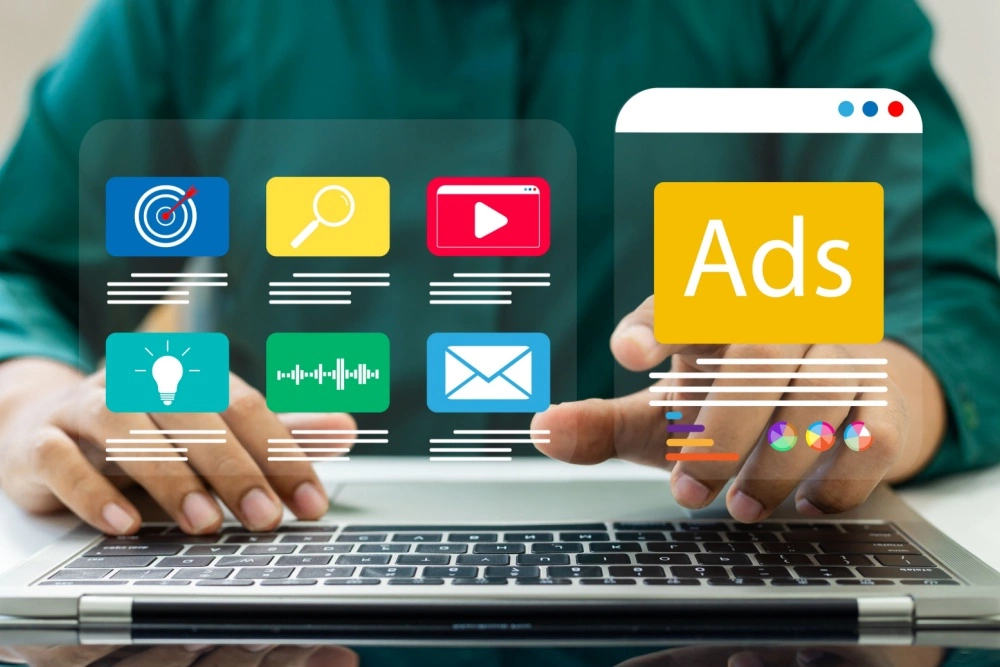
Cookies and other tracking data allow you to show targeted ads on third-party platforms such as Google and Facebook. This not only boosts the efficiency of your PPC ads but also lowers customer acquisition costs.
What are some examples of retargeting?
- Specific product ads encourage the potential customer to buy
- Dynamic ads across multiple platforms (following the shopper)
- Personalized offers for potential customers who abandoned their carts
- First-time buyer code for those who need a little extra push to convert
- Promote a free trial, seasonal deals, discounts, best-selling items, etc.
What is remarketing?
Remarketing is advertising to someone who is an existing customer or a known lead. They may not have purchased in a while or haven’t been engaging as much with your content.
How does remarketing work?
You can use data you already have, such as email lists, purchase history, and CRM data, to follow up through owned channels such as email and SMS marketing. This is one of the best ways to maximize your current marketing budget and optimize ROI.
What are some examples of remarketing?
- “We haven’t seen you in a while.” campaigns
- Email sequences for post-purchase follow-ups
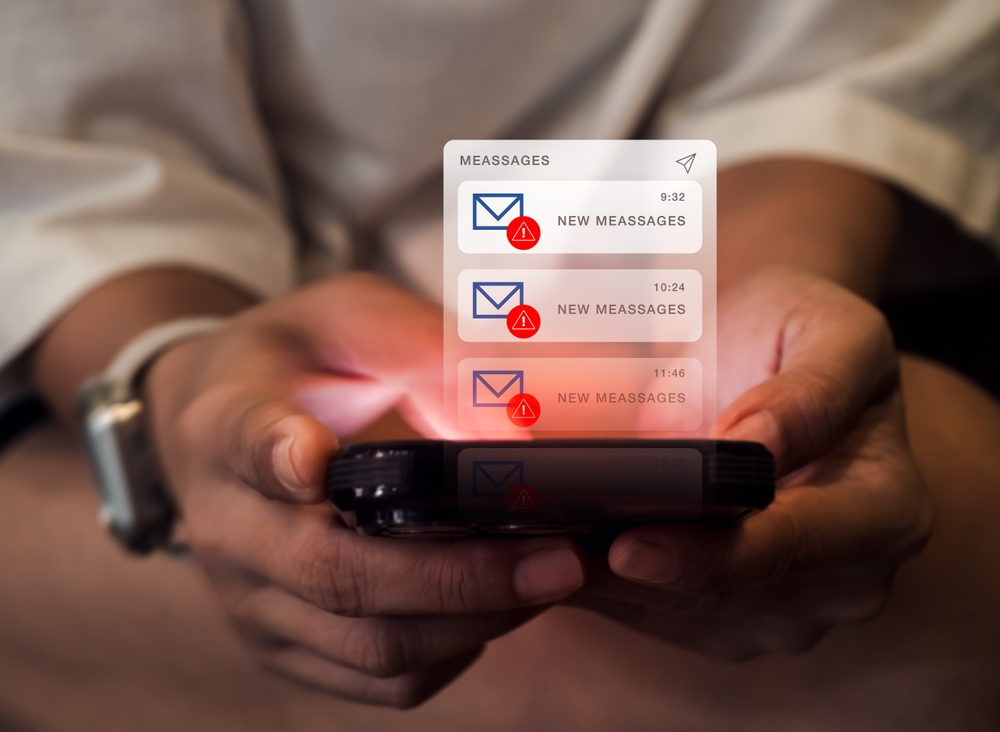
- SMS reminder about abandoned carts
- Loyalty rewards, promotions, and flash sales
- Win back with free shipping or “we miss you” incentive
The Takeaway: Your Digital Marketing Strategy Needs Both
- Retargeting = paid ads to anonymous website visitors
- Remarketing = campaigns to known customers and contacts
Both of these methods help drive conversions and target warm audiences, just using slightly different channels. While retargeting focuses on an immediate, more specific action through PPC, remarketing uses first-party data for a low-cost, high ROI approach to improve long-term engagement and retention.
Looking for a Top-Rated Retargeting and Remarketing Agency?
Retargeting vs. remarketing can bring up a lot of questions, so talk to an agency like IMEG that specializes in data-driven strategies. Our experts in digital marketing are ready to listen and assist you in achieving your business goals! Reach out today and let’s help you grow!