


Search engines no longer rely only on matching strings of text on a page. Today, Google and generative AI platforms connect real-world entities to understand what your brand actually offers. If you want to increase direct bookings and lower third-party travel agency fees, entity-based SEO is your most reliable path forward.
At IMEG, we help hospitality leaders build durable digital authority. Our team of over 60 growth experts has generated more than \$835 million in client revenue. We know that mastering structured data creates a clear roadmap for lasting revenue growth.
Why Entity-Based SEO Matters for Hospitality
Entity-based SEO is the practice of organizing web content around distinct concepts, people, places, and things rather than isolated keywords. It gives search engines verified facts about your business, including your amenities, pricing, and exact geographic location. This clarity helps search algorithms serve your brand in high-intent queries.
For years, travel marketing focused on stuffing keywords into title tags and headers. That older method fails in modern search engines. Platforms like Google use entity graphs to link concepts together. For instance, an entity graph connects a cabin rental company to a physical valley, specific amenities, and verified guest reviews.
Data from the HTTP Archive Web Almanac shows that about 50% of desktop homepages now deploy structured data. Also, roughly 26.7% of homepages use Organization markup. As more properties adopt basic code, your brand needs deeper semantic connections to stand out.
When you structure your website around verified entities, search bots can evaluate your brand authority much faster. This technical foundation supports everything from local map packs to generative answer panels.
Does Schema Markup Help AI Engines Find My Hotel?
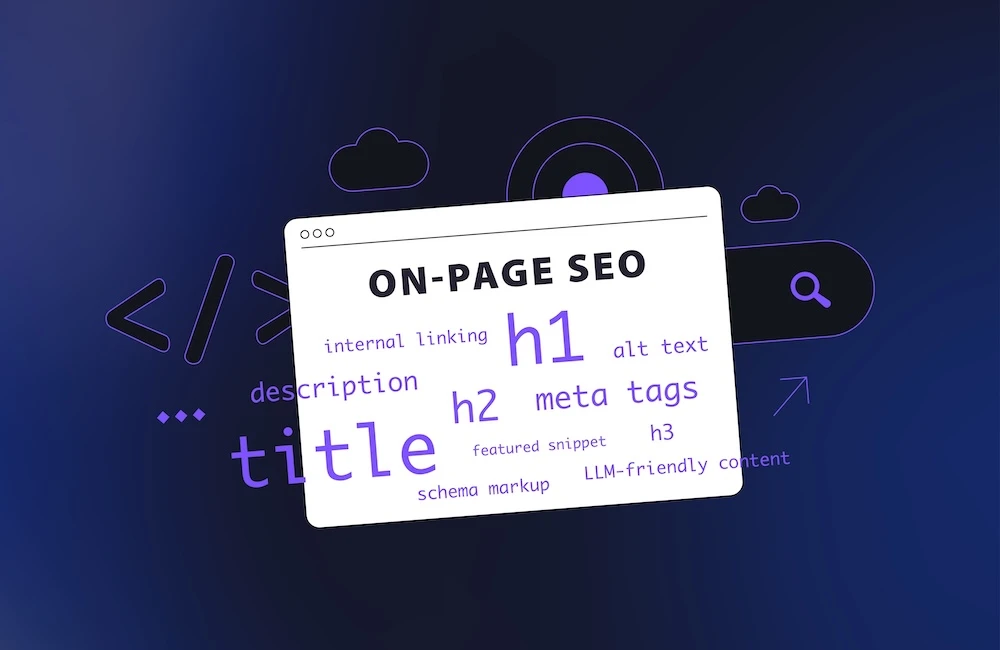
Schema markup doesn’t guarantee rankings, but it directly helps AI engines identify and disambiguate your hotel from competitors. By providing explicit machine-readable data, you clarify your brand identity, amenities, and location. This factual clarity makes it much easier for search engines and answer engines to retrieve and summarize your property.
According to official Google Search Central documentation, structured data clarifies page content for indexing systems. Google advises site owners to use the most specific applicable Schema.org types and properties. Applying precise hotel schema markup ensures search crawlers don’t confuse your boutique hotel with a local bed and breakfast.
Structured data acts as an entity bridge. It links your on-page facts to external knowledge graphs, making your website an authoritative source for AI engines. Clean markup eliminates confusion and gives search platforms the exact facts they need.
The Bottom Line: Strategic technical architecture makes that sustainable growth possible.
What Is the Best Schema for Vacation Rentals?
The best schema markup for vacation rentals combines LodgingBusiness, Product, and Place types using JSON-LD script tags. This combination defines each property as both a physical location and a bookable offering with distinct rates. Using specific subtypes allows search engines to display pricing, guest ratings, and available amenities directly in search results.
Many rental operators make the mistake of using generic WebPage or Article tags on rental listings. That practice strips search engines of critical transaction signals. Instead, build a clear hierarchy using JSON-LD:
- LodgingBusiness: Identifies your parent management brand, physical office address, and contact details.
- Accommodation or VacationRental: Defines the specific cabin, condo, or villa available to travelers.
- Product and Offer: Conveys nightly rates, booking availability, and check-in policies.
- Place and GeoCoordinates: Links the rental to geographic points, nearby national parks, and local attractions.
Vacation rental operators in competitive markets like the Smoky Mountains must define every unit clearly. To learn more about customized approaches for property managers, review our tailored solutions for vacation rental companies.
The Bottom Line: Structured data protects your inventory from getting lost behind online travel agencies.
Can JSON-LD Improve Direct Bookings?
Yes, JSON-LD can significantly improve direct bookings by powering rich search results that boost click-through rates and build guest trust. When potential visitors see verified pricing, star ratings, and amenity badges directly on Google, they’re more likely to click your website instead of an online travel agency listing.
Consider the traveler journey. A guest searches for luxury mountain cabins with hot tubs. If your snippet displays verified star ratings and room amenities through schema markup for AI search, your listing immediately stands out. That visual advantage drives qualified clicks from guests who are ready to purchase.
Direct bookings also protect your operational margins. Every reservation captured through your own booking engine saves you 15 to 25% in third-party commissions.
If your goal is to boost direct reservations, check our detailed guide on how to improve conversion rate across your booking pages.
What Are the Common SEO Mistakes When Hiring an Agency for AI?
The most common mistake when hiring an agency for AI search is choosing a vendor that relies on basic keyword placement while ignoring entity-graph construction. Many agencies apply surface-level plugins that generate broken schema. When hiring an agency, ensure they understand entity connections, crawl paths, and schema validation.
As you evaluate top generative engine optimization agency strategies, watch out for these major traps:
- Ignoring entity validation: Many firms add schema code without testing it in Google Rich Results Test or the Schema Validator tool. Broken syntax causes search engines to discard your structured data entirely.
- Disconnecting content from markup: Google policies state that markup must reflect user-visible content. Citing amenities or pricing in code that visitors can’t see violates search quality guidelines.
- Chasing vanity metrics: Inexperienced vendors report on keyword counts instead of conversions. A modern marketing optimization agency should track GA4 key events, organic revenue, and qualified direct bookings.
Before partnering with any digital marketing agency, ask direct questions about their technical process. For practical advice on screening marketing partners, read our resource on questions to ask when hiring an SEO company.
The Bottom Line: Finding the right partner ensures your business thrives as search technology evolves.
How Regional Attractions and Hospitality Brands Win Together
Hotels and vacation rentals don’t exist in isolation. Travelers visit destinations to experience local culture, dine at restaurants, and explore entertainment venues. Modern search systems map these geographic relationships carefully.
By connecting your lodging entity to regional entertainment hubs, you build a powerful topical authority network. If you manage regional entertainment venues or theme parks, see how our team supports attractions and entertainment venues. When lodging and activities link together through clean, structured data, both entities gain higher search visibility.
Marketing is hard, but our growth experts make it simple. We combine 23 years of industry experience with technical leadership to deliver measurable economic impact. Stop guessing what search engines want and start building an entity footprint that commands market share.
Get Your Entity-Based SEO & AI Visibility Audit
Ready to turn search visibility into reliable direct revenue? Discover how our technical team can refine your structured data, eliminate third-party commission waste, and grow your booking engine. Request your entity-based SEO and AI visibility audit, and we'll help you get there.