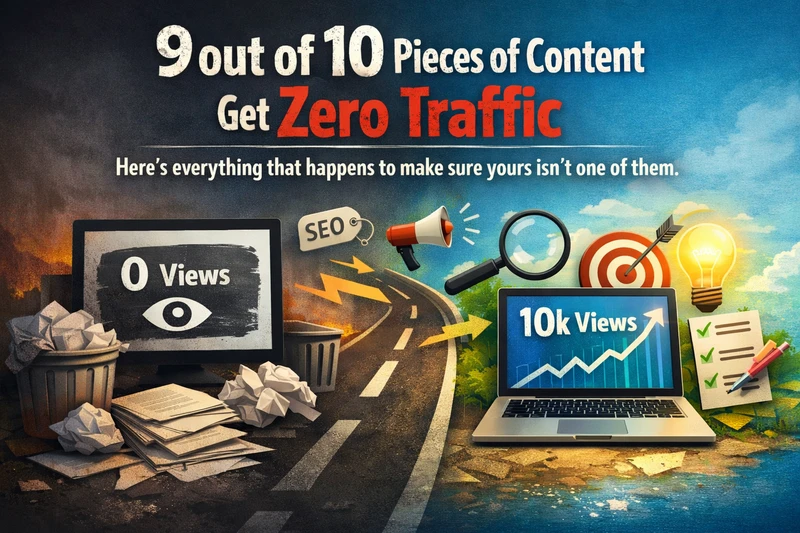


Are you struggling to stay visible in online search results now that AI snippets and generated answers are shifting search trends? Search engine optimization requires high-quality content that answers questions, provides actionable advice, and differentiates your brand from the competition. Here’s everything you need to know about content marketing optimization and how to improve website SEO:
What is Content Optimization?
SEO content marketing drives a few main goals: maximizing search visibility, user engagement, and conversion rates. Like most SEO techniques, content marketing optimization isn’t a checklist, but rather a long-term strategy of creating, revising, and updating website content.
Key Elements:
Relevant Keywords
Don’t over-stuff with random keywords, but rather use relevant keywords that match what your audience is actively looking for naturally throughout titles, headings, meta descriptions, content, and URLs.
- Primary keywords with high search volume
- Long-tail keywords that target niche search intent
On-Page Structure
Every web page should include a compelling title and meta description, clear headings and hierarchy (h1, h2, h3, etc.), descriptive alt text for images, as well as both internal links to related pages and external links to reputable sources (when appropriate).
User Experience

Readability is another component of SEO website development that should not be overlooked. Users will be more engaged and likely to perform the desired action when content is formatted in the following ways:
- Short paragraphs
- Bullet points/lists
- Simple, conversational language
SEO isn’t just about keywords and content structure. Additional things to improve on your website include:
- Mobile-friendly design
- Fast loading speed
- Intuitive navigation
- Clear CTA buttons
Why It Matters:
Content marketing optimization strengthens and benefits your entire marketing strategy, but specifically in these three areas:
- Visibility: Beyond ranking better in traditional search engine results, your content can also be cited directly in AI-generated answers.
- Performance: Optimized content improves organic search traffic, user time-on-page metrics, as well as conversion rates.
- Longevity: Refreshing outdated content ensures accuracy across platforms as well as continued lead generation and traffic over time.
Content Marketing Strategies to Improve Website SEO
Here are our top 5 tips for how to integrate content strategy and SEO:
1. Build Topic Clusters
Linking related pages and blog posts together helps users navigate your website more effectively. Create a central “pillar page”, then link to subtopic pages: this strengthens topical authority for high-ranking pages.
2. Refresh Old Content

A few examples of content optimization for older pages and posts include:
- Outdated information
- Statistics or original data updates
- Keyword tweaks based on current trends
- Broken links + add better linking opportunities
3. Optimize for AI Snippets
Content that directly answers questions, has concise, clearly defined information, and a simple structure is much more likely to be featured in AI summaries and snippets.
4. Use Multimedia
Photos aren’t the only thing you can utilize! Infographics, charts, and videos are a few more interactive elements to add to your website that can increase engagement while also making your content easier to understand.
5. Earn Backlinks
Having an SEO backlink strategy is crucial for building trust and authority. Content worth referencing (research, statistics, comprehensive guides, etc.) that earns your high-quality backlinks is still an important factor when it comes to search engine rankings.
Reach Out for a Free Website Content Audit
Content marketing optimization is one of the most important and ongoing processes in any marketing strategy. If you’re curious about how you can improve your website’s SEO, attract more traffic, and generate more leads and conversions, then let’s talk. Get in touch with the digital marketing experts at IMEG for a free content audit of your website!